
Step-by-Step Guide: How to Create Compost at Home from Kitchen Waste
6/22/20252 min read
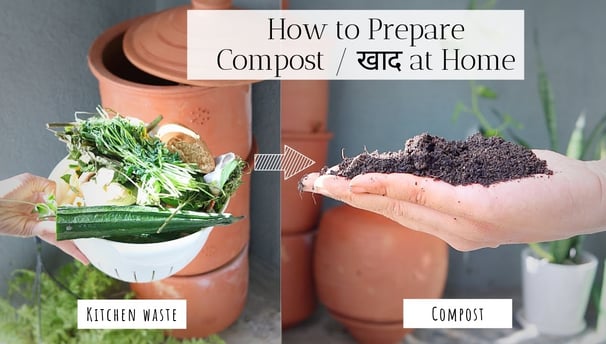
Step-by-Step Guide: How to Create Compost at Home from Kitchen Waste
In today’s eco-conscious world, turning your kitchen waste into nutrient-rich compost is one of the simplest and most effective ways to reduce waste and support the environment. Not only does composting reduce the burden on landfills, but it also produces “black gold” — a powerful, organic fertilizer for your home garden.
In this blog, we’ll walk you through an easy step-by-step guide to create compost at home using daily kitchen waste.
What is Composting?
Composting is a natural process of recycling organic matter like food scraps, peels, and leaves into a valuable fertilizer that can enrich soil and plants.
Step 1: Collect Your Kitchen Waste
Start by keeping a small container in your kitchen for organic waste, such as:
Vegetable and fruit peels
Used tea powder or coffee grounds
Eggshells
Cooked rice or pulses (without oil or spices)
Flower waste
Do not include: meat, fish, oily food, dairy, or synthetic materials.
Step 2: Add Dry Waste
For every handful of wet kitchen waste, add an equal portion of dry waste to maintain the right balance. This helps prevent bad smells and supports faster decomposition.
Dry waste includes:
Shredded newspaper or cardboard
Dry leaves or sawdust
Cocopeat (optional but useful)
Step 3: Use a Compost Bin
Choose a well-ventilated compost bin with holes for airflow and a lid to keep pests out. You can use:
Plastic bucket with holes
Clay pot
Store-bought home composting kits
Place the bin in a shaded corner of your balcony, terrace, or garden.
Step 4: Mix It Weekly
Once a week, stir the compost using a stick or spatula. This introduces oxygen and helps speed up the composting process.
If you notice a foul smell — that’s a sign of too much moisture. Add more dry waste to balance it.
Step 5: Maintain Moisture
Your compost should feel like a squeezed sponge — moist but not dripping.
If it’s too wet → add more dry leaves or paper.
If it’s too dry → sprinkle a little water.
Step 6: Wait and Monitor (30–45 Days)
Depending on the temperature and waste used, your compost will be ready in 30 to 45 days. You’ll know it’s ready when:
It turns dark brown or black
Smells like fresh soil
Has a crumbly texture
Step 7: Use Your Compost
Your homemade compost can now be used to enrich your garden or indoor plants! Mix it with soil in a 1:1 ratio and watch your plants thrive naturally.
You can use it for:
Balcony plants
Kitchen gardens
Tree saplings
Gifting to friends or community gardens
Final Tips
Start small – even a small bin can make a difference.
Keep composting even if it’s just a little every day.
Involve your kids or family — it’s a great eco-learning activity.
Composting: A Simple Act with a Big Impact
By turning your waste into wealth, you’re contributing to a cleaner environment, reducing landfill pressure, and making your home greener — one peel at a time.
Empowerment
Uplifting women and the society through impactful community initiatives.
contact
Support
Deeprise Welfare Foundation


QR Code for donation
© 2025. All rights reserved.